Mobile Equipment & Traffic
6 pieces, each argued from primary sources and each handing you something you can use on Monday.
-
 The Floor Walker
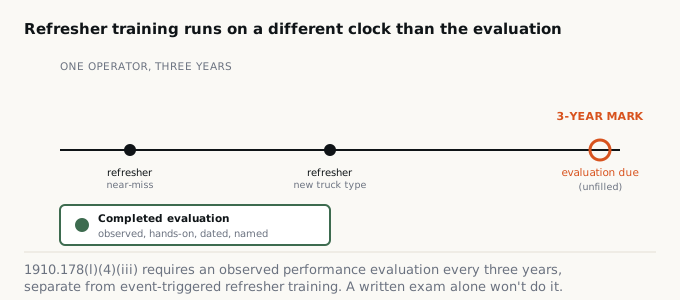
The Three-Year Line Most Forklift Files Never Cross
Refresher training and the triennial performance evaluation are two different obligations under federal OSHA rules, and sites that satisfy one while quietly skipping the other can carry a compliance gap for years without anyone noticing.
-
 The Scout
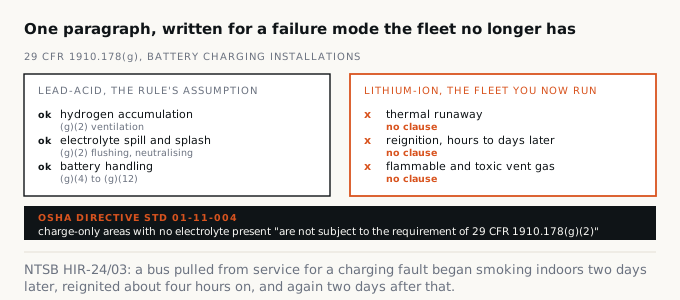
Your Charging Room Is Still Set Up for Acid
If your battery charging procedure was written for lead-acid and the batteries in the room are now lithium-ion, the site is compliant with a United States OSHA rule aimed at hydrogen and spilled electrolyte while the credible event is thermal runaway, and nothing in the compliance record will flag the mismatch.
-
 The Floor Walker
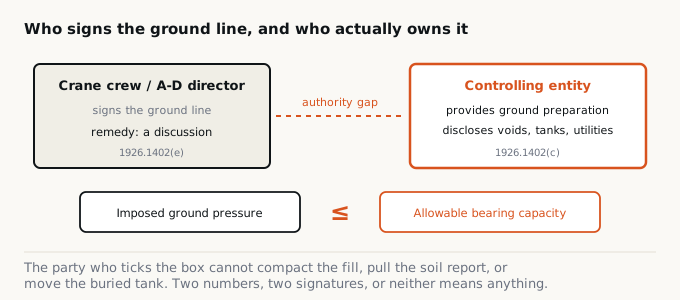
Nobody who signs the lift plan owns the ground
OSHA puts ground conditions on the controlling entity, so a lift checklist that has the crane crew tick off ground bearing capacity is collecting a signature from the one party that cannot fix, and usually cannot see, the thing most likely to drop the crane.
-
 The Scout
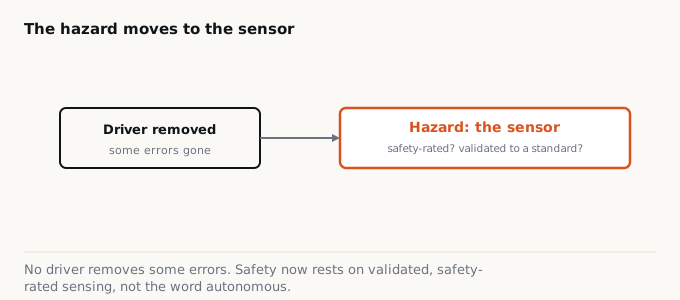
Nobody is driving, which is the point and the problem
Removing the human driver from a warehouse vehicle removes some errors and introduces new ones, so safety around AMRs now rests on validated, safety-rated sensing and the standard the vehicle was commissioned to, not on the word autonomous.
-
 The Scout
The beep is not the barrier
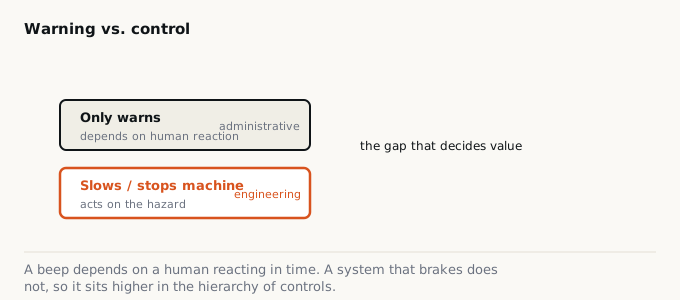
Proximity-detection systems can cut struck-by risk, but a system that only warns sits low in the hierarchy of controls, and its value hinges on whether it stops the machine or merely tells you it should have.
-
 The Floor Walker
Separate people from trucks by design, not by hope
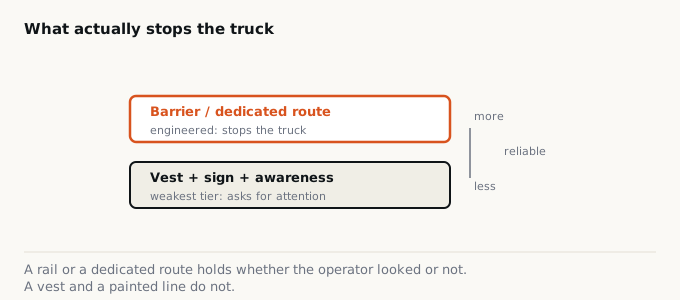
If pedestrians and powered industrial trucks share the same floor and the only thing keeping them apart is attention, the control has already failed.