Asset Integrity & Inspection
8 pieces, each argued from primary sources and each handing you something you can use on Monday.
-
 The Floor Walker
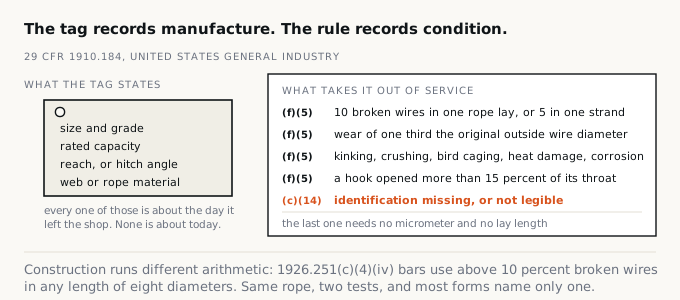
The sling tag tells you how it was born
Take ten slings off the rack and run OSHA's own removal criteria against them, starting with whether the identification is legible. The count that should already be out of service tells you whether the daily inspection is a decision or a formality.
-
 The Skeptic
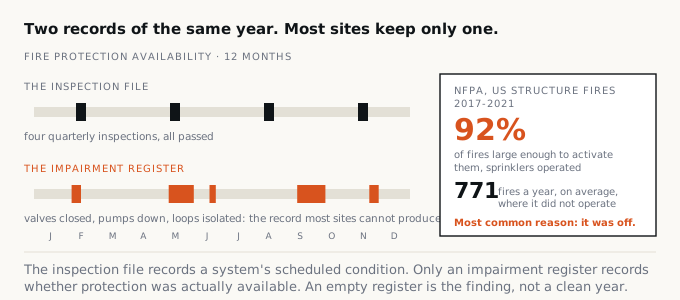
A year of inspection reports tells you nothing about whether the system was on
Pull last year's fire protection impairment register and total the hours each system was actually out of service. If it is empty or near-empty while maintenance and project records show closed valves and pumps down, your program is measuring scheduled condition, not availability.
-
 The Skeptic
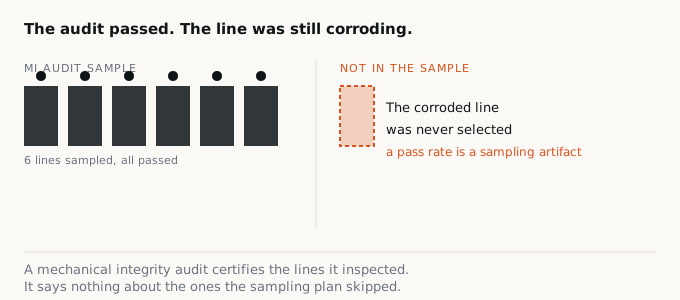
Your mechanical integrity program can pass an audit and still miss the corroded line
A fully compliant MI program fails where the paperwork does not look: in which equipment made the inspection list, and on what basis the interval was set. Completion rate is not coverage.
-
 The Floor Walker
The green tag was true when it was hung
A scaffold tag records one competent person's judgment at handover. OSHA requires an inspection before each work shift, because the hazard is what three trades did to the scaffold since.
-
 The Scout
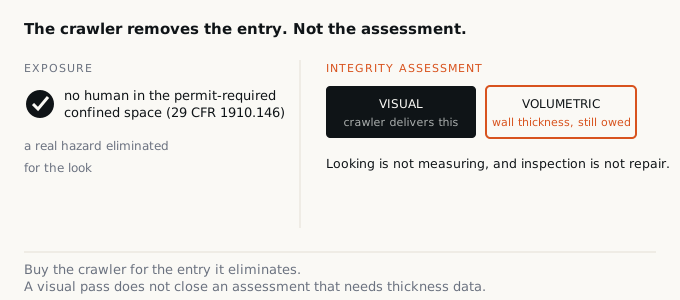
The Crawler Goes In So Nobody Has To. That Solves One Problem, Not Two.
A robotic inspection crawler removes the human entry hazard from a tank or vessel, but it does not, by itself, satisfy an integrity assessment that requires quantitative wall-thickness data. Buy it for the exposure it eliminates, not for the assessment it cannot finish.
-
 The Floor Walker
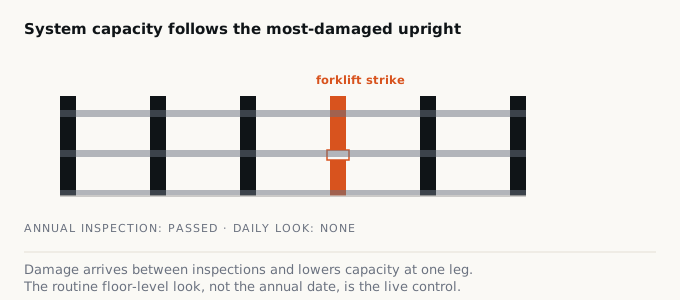
The Rack Is Only As Strong As Its Worst Upright
A racking system's capacity is governed by its most-damaged upright. A facility with a formal annual inspection but no routine floor-level look is running on residual capacity it has never measured.
-
 The Scout
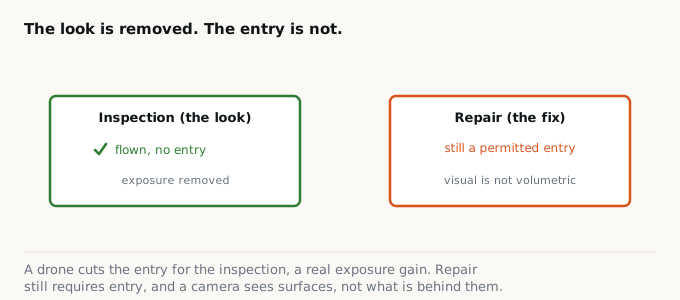
The drone saw the tank. It did not enter it.
Inspection drones genuinely cut hazardous entries and work at height for the look, but a camera sees surfaces, not what is behind them, and it never removes the entry that repair still requires.
-
 The Skeptic
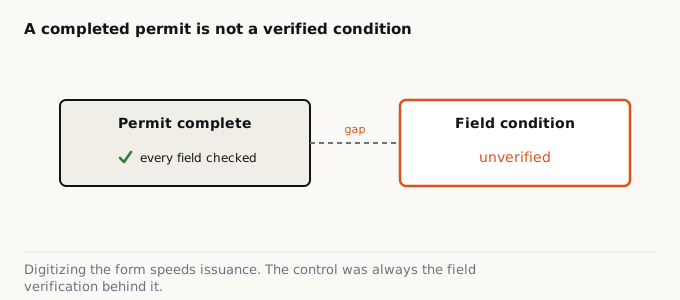
Your e-permit system digitized the form, not the control
If your e-permit rollout raised issuance speed and completion rates without adding field verification steps, you improved paperwork, not safety.