Line of Fire
6 pieces, each argued from primary sources and each handing you something you can use on Monday.
-
 The Floor Walker
The sling tag tells you how it was born
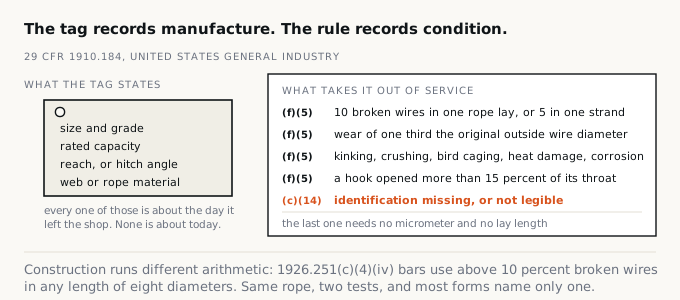
Take ten slings off the rack and run OSHA's own removal criteria against them, starting with whether the identification is legible. The count that should already be out of service tells you whether the daily inspection is a decision or a formality.
-
 The Floor Walker
Line of Fire Is Set Before the Crane Is
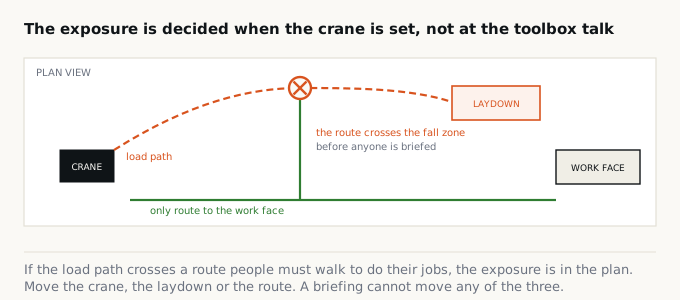
Walk the load path on the plan before the lift. If it crosses a route people must use to do their jobs, the exposure is designed in, and no toolbox talk will remove it.
-
 The Floor Walker
Keep the hand out of the path, not just in a glove
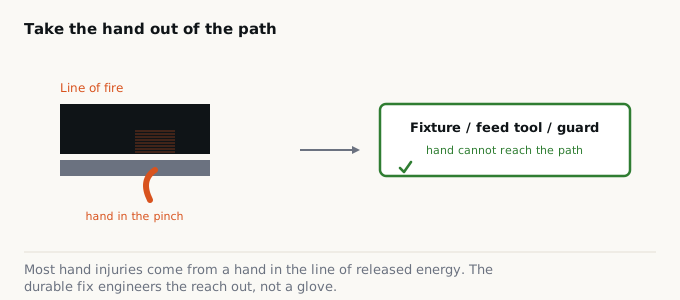
Most serious hand injuries happen because a body part was placed in the line of released energy, so the durable control is redesigning the task so the hand is never in that line, not a cut-resistant glove and a reminder to keep clear.
-
 The Scout
Computer vision's real job isn't watching for hard hats
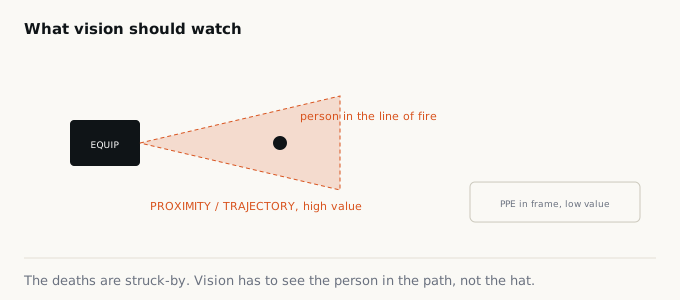
PPE detection is the easy, low-value use of vision. Struck-by events are among the incidents that actually kill people, and that is where vision has to prove it can see a person in the line of fire.
-
 The Scout
The beep is not the barrier
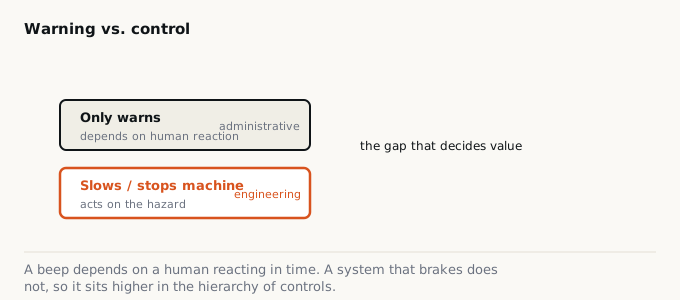
Proximity-detection systems can cut struck-by risk, but a system that only warns sits low in the hierarchy of controls, and its value hinges on whether it stops the machine or merely tells you it should have.
-
 The Floor Walker
Separate people from trucks by design, not by hope
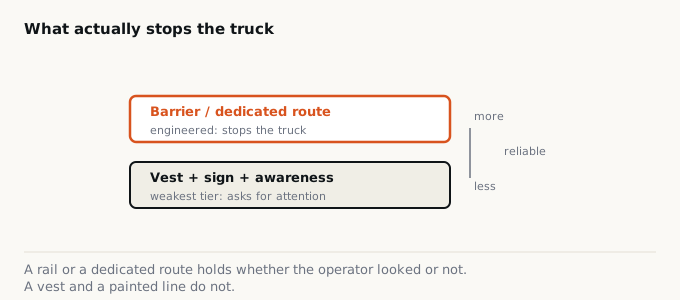
If pedestrians and powered industrial trucks share the same floor and the only thing keeping them apart is attention, the control has already failed.