Job Hazard Analysis
7 pieces, each argued from primary sources and each handing you something you can use on Monday.
-
 The Skeptic
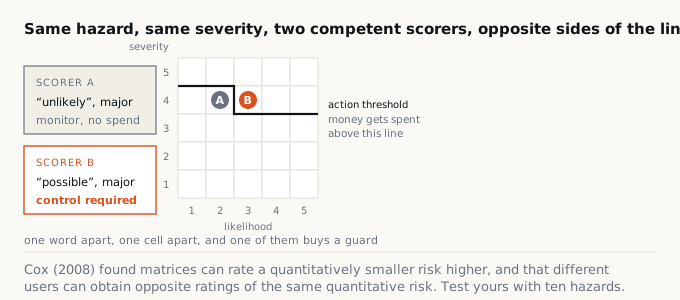
The risk matrix is not a measurement
Strip the scores off ten hazards and have two competent people rescore them alone. If more than a third land on opposite sides of your action threshold, the matrix is not deciding anything.
-
 The Skeptic
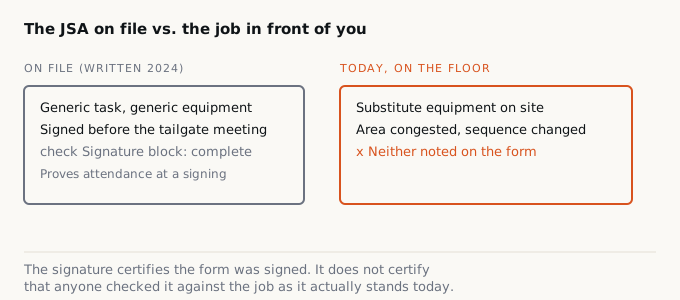
The JSA That Was Already Written
A job safety analysis pulled from a binder and signed before the tailgate meeting protects the paperwork, not the crew, when the equipment, the area, or the sequence in front of them today doesn't match the one the form describes.
-
 The Skeptic
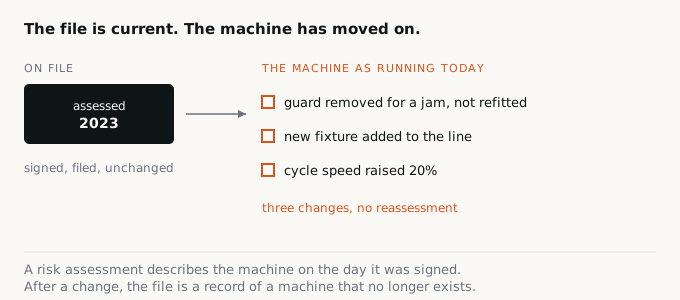
A Risk Assessment Is Only As Current As Its Last Reconciliation
The value of a machine risk assessment is set by when it was last reconciled against the equipment as it actually runs today, not by the fact that a document exists in the file.
-
 The Scout
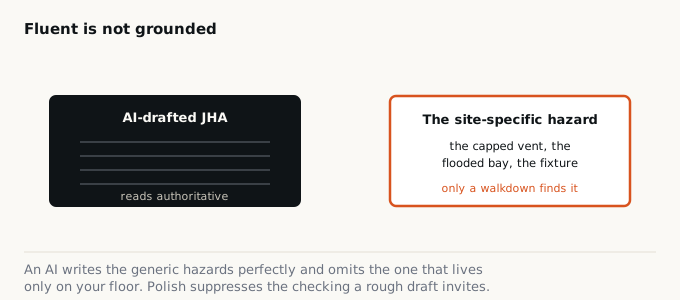
An AI can draft your JHA. It cannot do it.
A language model writes a job hazard analysis from generic patterns, not from your floor, so it will omit the site-specific hazard a walkdown would catch and dress the omission in confident, standard-sounding prose.
-
 The Skeptic
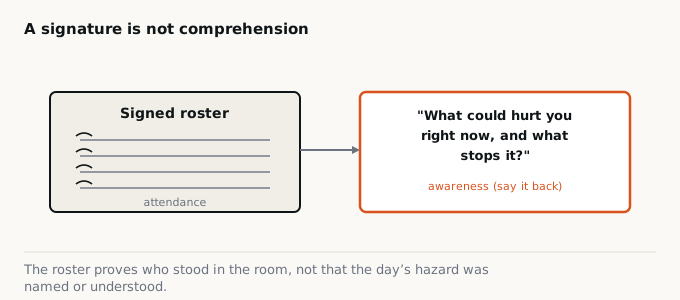
The signed roster proves attendance, not awareness
A toolbox-talk signature sheet documents who stood in the room, not whether anyone understood the hazard or that the day's actual risks were named.
-
 The Skeptic
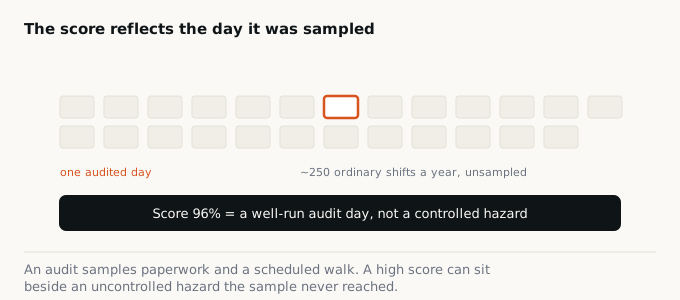
Your audit score measures the audit day, not the risk
A high third-party audit score certifies documentation and a well-run visit, not that a serious hazard is controlled on an ordinary unannounced day.
-
 The Scout
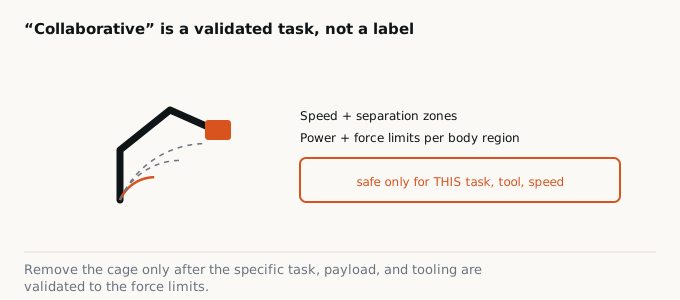
Collaborative removes the cage, not the hazard
A cobot is safe only when its speed-and-separation monitoring or power-and-force limits are validated for the specific task, payload, and tooling in front of it, not because the machine is sold under the label collaborative.