Confined Space
6 pieces, each argued from primary sources and each handing you something you can use on Monday.
-
 The Floor Walker
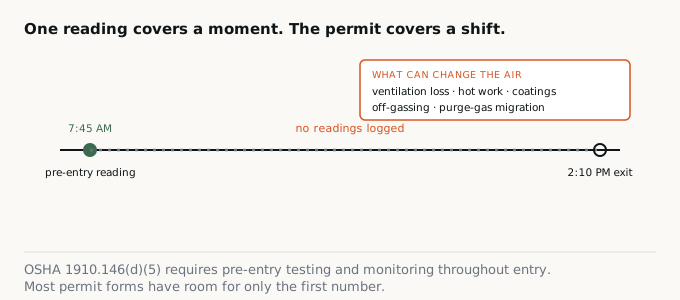
The Permit Says Clean. That Was Six Hours Ago.
OSHA requires atmospheric testing before entry and monitoring throughout it, but most confined-space permits only have room for one number, so most programs only take one reading.
-
 The Scout
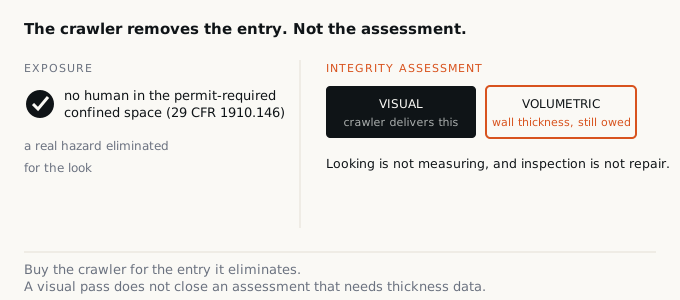
The Crawler Goes In So Nobody Has To. That Solves One Problem, Not Two.
A robotic inspection crawler removes the human entry hazard from a tank or vessel, but it does not, by itself, satisfy an integrity assessment that requires quantitative wall-thickness data. Buy it for the exposure it eliminates, not for the assessment it cannot finish.
-
 The Scout
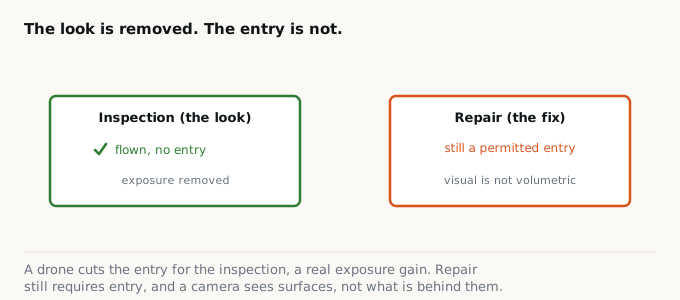
The drone saw the tank. It did not enter it.
Inspection drones genuinely cut hazardous entries and work at height for the look, but a camera sees surfaces, not what is behind them, and it never removes the entry that repair still requires.
-
 The Floor Walker
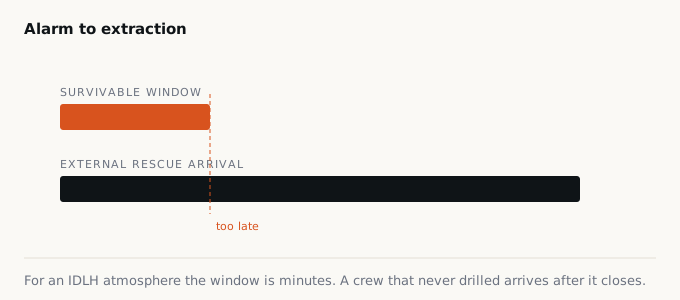
The rescue plan you never drilled
A permit that names a rescue plan means nothing if no one has practiced it, and "call 911" is usually too slow.
-
 The Skeptic
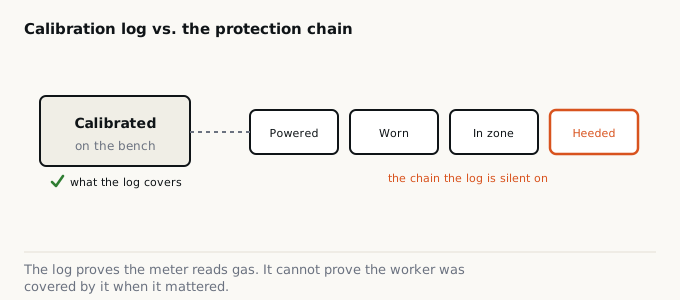
Your calibration log proves the meter works, not the worker
A bump-test or calibration record verifies device integrity; it says nothing about whether the monitor was worn, powered, in the breathing zone, and heeded.
-
 The Skeptic
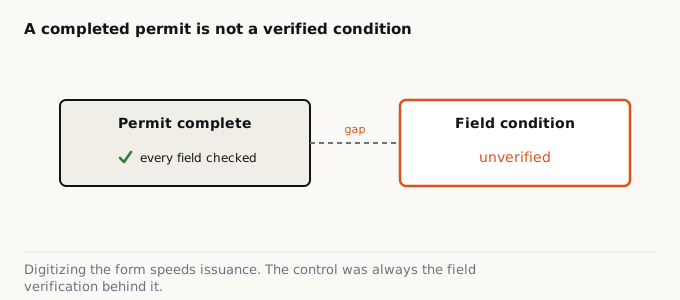
Your e-permit system digitized the form, not the control
If your e-permit rollout raised issuance speed and completion rates without adding field verification steps, you improved paperwork, not safety.